Guide · Plant by zone
What you can still plant this fall, zone by zone
Late October into November, by USDA zone: what still goes in the ground now, what should wait for spring, and the one thing to get right where you live.

YardRemake Studio
Published October 26, 2026 · 13 min read · 7 sections
On this page
By late October the question is what’s still worth planting, and the answer depends on where you live. In zones 3 and 4 most of the season has closed. In coastal California it’s only starting, and in most of Florida the winter flowers don’t go in until November.
Here’s what still goes in, what should wait, and one thing to get right. Trees have their own guide: why fall is the best time to plant a tree, and when it isn’t.
First, find your zone
Everything below is sorted by USDA hardiness zone (how zones work). Enter your ZIP in the plant library and switch on Only my zone to hide anything not rated for your winters. Each plant page also has a ”Will it survive your winters?” check, which tests the plant’s estimated cold limit against past winters at the weather station nearest you. Use it on anything at the edge of its range.
Zones 3–4
Most of the window has closed. Colorado State’s cutoff for fall planting is the end of October. What’s left:
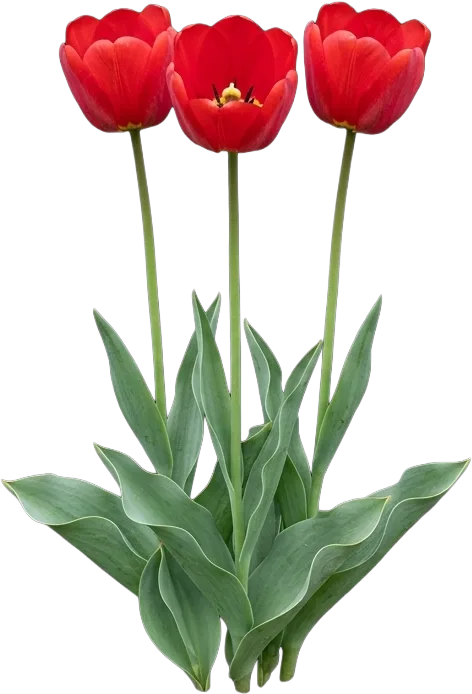
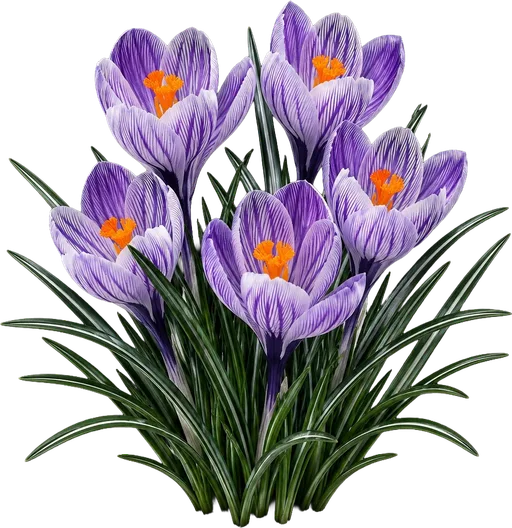
- Bulbs, while you can still dig. The sources differ. UMN Extension’s Minnesota window for most bulbs is mid-September to mid-October, though it says tulips can go in as late as you can get them into the soil. Iowa State says spring bulbs can go in until December if the ground isn’t frozen. See the bulb guide.
- Container-grown deciduous shrubs, if the ground isn’t frozen. Penn State Extension says container plants can go in any time the soil isn’t frozen but are likelier to succeed in spring or early fall, and in the North this is the very end of the season.
- Native prairie and wildflower seed. Many need a winter’s cold, moist spell before they’ll sprout, so Illinois Extension sows them in autumn, ideally just before a snow.
- Dormant lawn seed. UMN says to sow once the soil is below 40°F, typically from early November in Minnesota, to sprout in spring.
Wait for spring: new perennials, which Illinois Extension wants in about six weeks before the first frost and the Missouri Botanical Garden at least six; garden mums, which Iowa State says usually don’t survive winter when planted in fall; grasses such as little bluestem, which Iowa State plants by the end of September; evergreens, which Iowa State says may not establish if planted this late; and ordinary lawn seeding.
One thing to do: watch for frost heaving, when freezing and thawing push new perennials out of the ground. The Missouri Botanical Garden’s advice: 4 inches of mulch after a hard frost, and if a crown heaves anyway, cover the roots with soil and mulch again.
Zones 5–6
There’s still time here.
- Deciduous trees and shrubs, into early November (Iowa State). The tree guide covers how late is too late.
- Spring bulbs, as late as December if the ground isn’t frozen (Iowa State).
- Native seed, as in zones 3–4.
- Dormant lawn seed. Purdue’s Indiana window opens around Thanksgiving; winter’s heaving and cracking work the seed into the soil.
Wait for spring: evergreens, which Iowa State wants in by the end of September; mums, which Illinois Extension says fail mostly because they were planted in fall; grasses such as switchgrass; and, mostly, new perennials. The sources differ there: Illinois Extension counts about six weeks back from the first frost and the Missouri Botanical Garden at least six; Iowa State, for ornamental grasses, counts four to six weeks back from when the ground freezes. Our take: a perennial already in a pot is better off in the ground, mulched after a hard frost.
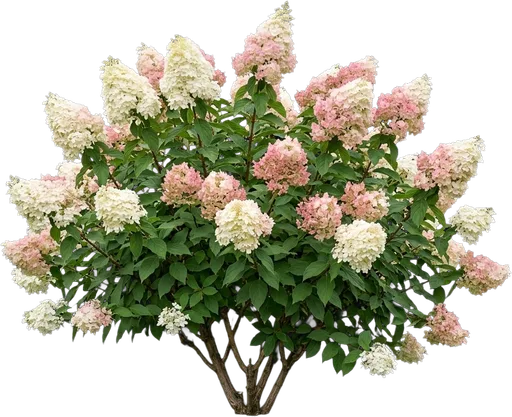
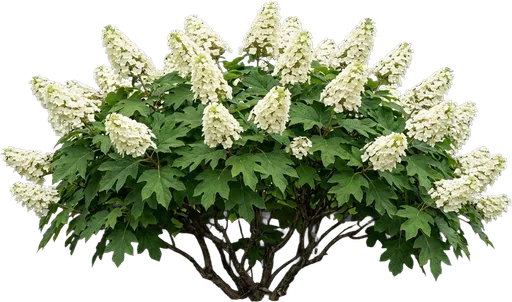
One thing to do: check the edge cases. Oakleaf hydrangea is rated to zone 5, but the Missouri Botanical Garden says it needs a sheltered spot and winter protection there, especially before it’s established. Run the freeze check on its page before you plant it this late, and if it comes back Risky or Gamble, wait for spring.
Zones 7–8
Here fall is the best planting season. NC State Extension says trees, shrubs and perennials planted now keep growing roots through fall and winter.
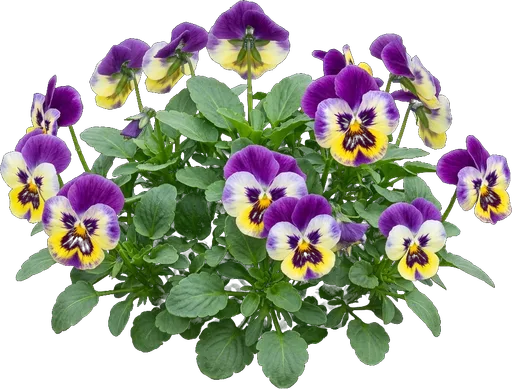
- Pansies and other cool-season color. NC State says pansies thrive in soil between 45 and 65°F and, in central North Carolina, are best planted in October. Clemson Extension’s rule for winter annuals is at least six weeks before your expected first frost. If yours is closer than that, plant this week.
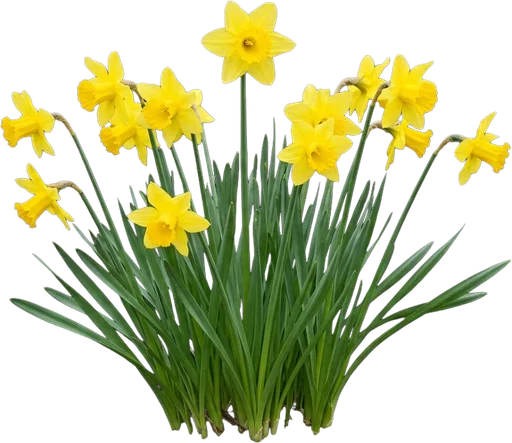
- Bulbs. Clemson says daffodils can go in during October or November. For the others, wait until the soil at planting depth stays below 60°F.
- Wildflower seed in Texas, through early November. Texas A&M AgriLife says the farther north you are, the earlier.
Too late now, or wait for spring: tall fescue lawns, which NC State says should be seeded by mid-October, after which germination gets slower and patchier; warm-season lawn grasses, which go in late spring or early summer; elephant ears and hibiscus, until around April (NC State); and in Central Texas, lantana, esperanza, plumbago and pride of Barbados (Texas A&M AgriLife).
One thing to do: buy a soil thermometer. Clemson’s bulb rule above is a soil temperature, not a date, and pansies thrive once the soil is between 45 and 65°F.
Zones 9–11
Mild winters, very different rain: this band splits three ways.
The West: plant with the rain
In California-style climates this is the start of the best season. UC Master Gardeners in Sonoma County put prime time for natives at October to late November, with a second window in February and March. UC’s Garden Notes and the Santa Barbara Botanic Garden give the reason: warm soil and winter rain get roots established before the hot, dry summer.
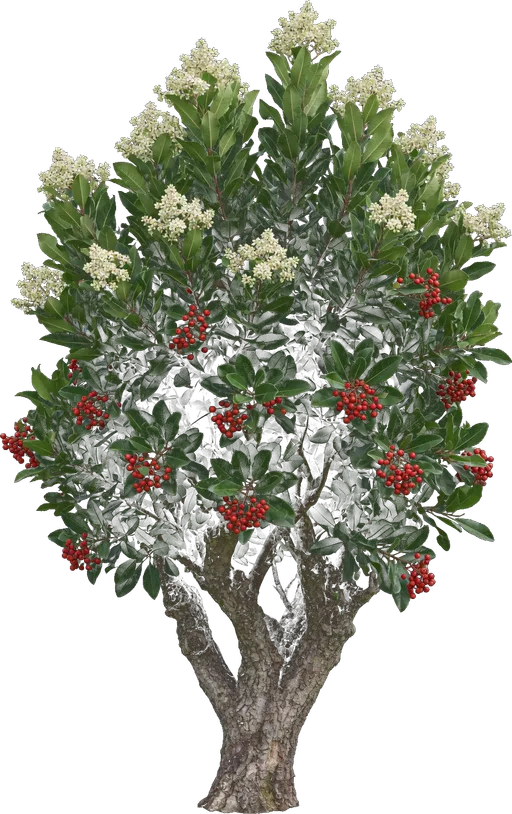
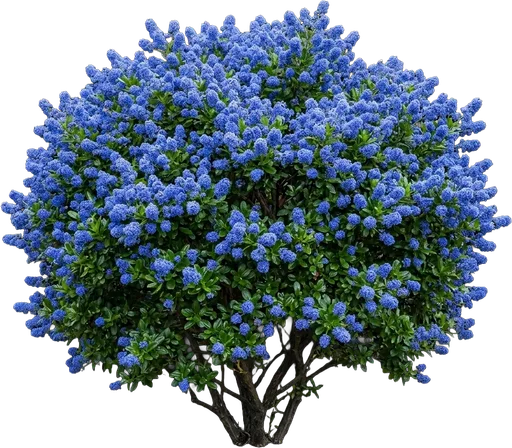
- Natives. UC Master Gardeners in Contra Costa County call fall the ideal time and name toyon, manzanitas and ceanothus among their picks.
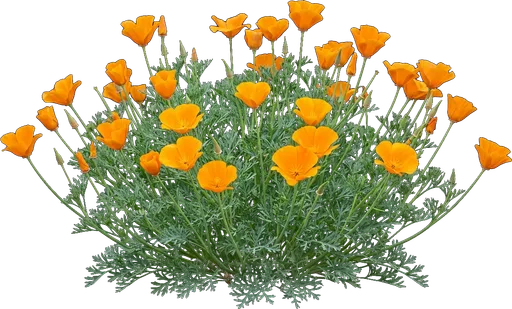
- Wildflower seed, in October or November, just before the first rain (UC Davis Arboretum).
- Cool-season annuals and vegetables, which Placer County’s Master Gardeners say do better planted in fall.
Wait for spring: frost-sensitive plants, which Placer County prefers to plant in spring, and anything in high-elevation gardens, where its six-weeks-before-the-ground-freezes rule may already have passed. Just don’t let natives slide into summer: Garden Notes calls it the worst time, and Placer County warns that natives planted in spring and watered through summer are vulnerable to soil fungi.
One thing to do: water by the soil, not a schedule. Sonoma’s Master Gardeners say not to water when the soil and root ball are already moist, and to cut back a wilted plant in moist soil rather than water it.

The desert Southwest: the tail of a good season
The low desert has two planting seasons, and the sources rank them differently. The Desert Botanical Garden in Phoenix makes the case for fall: cooler days and nights leave the soil ideal for root growth. University of Arizona Extension’s Pima County reminders call March the best time for new landscape plants, and put container plants in from late September to early October.
November is still open: UA’s list for the month includes trees, shrubs, ground covers, spring bulbs and perennials such as gaura and angelita daisy, planted before the first frost.
- Wildflower seed, early in the month. UA names California and Mexican poppies.
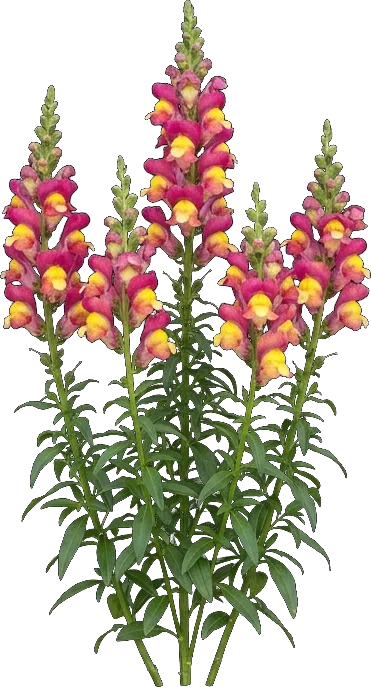
- Cool-season annuals. UA’s October list includes petunias, snapdragons, alyssum and dianthus.
- Cacti and succulents, only if they go in soon: UA says winter transplants root slowly in cool soil.
Wait for spring: lantana and citrus. Both are on UA’s March planting list, and that list names lantana among the plants to prune for winter damage. UA’s October guide does plant citrus, early that month, and says to protect new ones from cold. Our take: a citrus bought this late waits for March.
One thing to do: have frost cloth ready. UA says Tucson’s first frost sometimes comes in mid-to-late November; around Phoenix the average runs from November 21 in Buckeye to December 12 in central Phoenix. The frost guide has the night-before routine.
The Southeast, Gulf Coast and Florida: plant now, except field-grown palms
- Trees, shrubs and perennials. UF/IFAS Extension in Franklin County calls October through March good for most trees, and LSU AgCenter calls fall a great time for all three in Louisiana.
- Cool-season bedding plants. LSU wants them in by November or early December at the latest, and says most handle temperatures around 20°F. In Florida, UF/IFAS waits for November or later, once it cools. Pansies go in during November or December in zones 10–11, and November, December or February in zone 9.
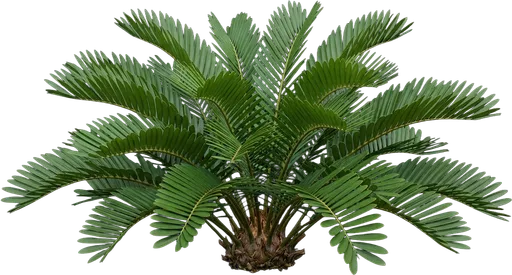
- Coontie, which UF/IFAS says can be planted year-round anywhere in Florida.
Wait for summer: palms. UF/IFAS says they need warm soil to root, so field-grown palms are best planted in early summer; container-grown ones can go in any time. For tulips, see the chilling section of the bulb guide.
One thing to do: plant cool-season color now, not in spring. LSU says fall-planted bedding plants far outperform spring-planted ones.
If you grow garlic
Garlic is a fall crop, and the sources split on timing. UW–Madison Extension in northern Wisconsin says six to eight weeks before the ground freezes; University of Vermont and Penn State Extension say about three weeks. In calendar terms: October to early November in southern Wisconsin, and through November 30 in central North Carolina (NC State). Penn State plants cloves at least 2 inches deep under a good 4 inches of straw or shredded leaves; UW–Madison Extension says the straw keeps the ground from thawing and refreezing on warm days.
Everywhere: water, mulch, no fertilizer
- Water until the ground freezes (Iowa State). Illinois Extension stops sooner, at the first hard frost, so plants can harden off. Colorado State adds watering on mild days from December through March whenever three weeks pass without snow. In the low desert, UA says to water new plants, except cacti and succulents, less and less often as it cools.
- Mulch once the cold arrives. Illinois Extension says when nights reach about 32°F, the Missouri Botanical Garden after a hard frost. MBG’s mulches include ground leaves, so yours will do (leave the leaves).
- Skip the fertilizer on new perennials until spring (Illinois Extension).
Plant what still fits your zone this week and put the rest on a spring list. To see the whole plan on your own yard first, try it in the studio.
Sources
- Colorado State University Extension, PlantTalk Colorado — 1707 Fall Planting
- University of Minnesota Extension — Planting bulbs, tubers and rhizomes
- Iowa State University Extension (Aaron Steil, reviewed 2022-09) — Planting in Late Summer and Early Fall
- Penn State Extension — Planting Ornamentals
- University of Illinois Extension (C. Enroth, 2025-10-31) — Start a native prairie garden using seeds
- University of Minnesota Extension — Dormant seeding
- University of Illinois Extension (A. Little; news release by H. Willis, 2019-10-01) — Establishing Perennials in the Early Fall
- Missouri Botanical Garden — Frost Heaving
- Iowa State University Extension (updated 2024-09-12) — Will fall planted mums survive the winter?
- Iowa State University Extension (Aaron Steil, reviewed 2025-10) — Ornamental Grasses for the Home Landscape
- Purdue University Extension (Z. Reicher, C. Throssell; AY-20-W) — Seeding a Turf Area in the Spring
- University of Illinois Extension (K. Johnson, 2021-09-10) — Why do my mums always die?
- UC Master Gardeners of Placer County (L. Meyerpeter) — Autumn: The Best Time to Plant
- Missouri Botanical Garden Plant Finder — Hydrangea quercifolia
- NC State Extension, Lee County Center (A. Bratcher, 2024-11-01) — “Fall” in Love in Planting: The Best Time to Get Your Perennials and Trees in the Ground!
- NC State Extension, Lee County Center (G. Griffin, EMGV, 2022-01-11) — Pansies in the Landscape
- Clemson Cooperative Extension HGIC — Growing Annuals
- Clemson Cooperative Extension HGIC — Spring-Flowering Bulbs
- Texas A&M AgriLife (H. White, 2024-09-04) — When do I plant wildflower seeds for stunning spring blooms?
- NC State Extension TurfFiles (G. Miller, 2025-09-12) — Time for Fall Seeding of Tall Fescue
- NC State Extension, Lee County Center (G. Griffin, EMGV, 2022-05-12) — Time for Warm-Season Grasses
- Texas A&M AgriLife Today — Expert: Autumn the “absolute perfect season” for planting trees in Central Texas
- UC Master Gardeners, Sonoma County — Care and Maintenance of California Native Plants
- UC ANR Garden Notes (C. Starner, 2025-10-06) — Fall Planting for California Natives
- Santa Barbara Botanic Garden (2022-09-30) — Save Water and the Planet with Native Plants During Fall Planting Season Beginning in October
- UC Master Gardener Program of Contra Costa County (Laurinda Ochoa, 2023-09-27) — Plant Native Shrubs Now for Winter and Spring Bloom
- UC Davis Arboretum and Public Garden — California Native Wildflower Seeds
- Missouri Botanical Garden Plant Finder — Eschscholzia californica
- Desert Botanical Garden (2026-10-14) — Fall Planting for Summer Success
- University of Arizona Cooperative Extension, Pima County — March Monthly Reminders
- University of Arizona Cooperative Extension, Pima County (rev. 2025-01) — November Monthly Reminders
- University of Arizona Cooperative Extension, Pima County (rev. 2025-01) — October Monthly Reminders
- University of Arizona Cooperative Extension (L. Bradley, AZ1002, 1998) — Frost Protection
- UF/IFAS Extension Franklin County — Winter is For Tree Planting
- LSU AgCenter (H. Kirk-Ballard, 2023-10-27) — Fall gardening in Louisiana
- LSU AgCenter (Dan Gill, 2018-10-26) — Plant now for cool-season color
- UF/IFAS Gardening Solutions — Winter Annuals
- UF/IFAS Gardening Solutions — Pansies
- UF/IFAS Gardening Solutions — Coontie
- UF/IFAS Gardening Solutions — Planting Palms
- UW–Madison Extension Bayfield County (M. Cogger) — Garlic – Fall is the Time to Plant
- University of Vermont Extension Master Gardener (A. Simone, 2026-10-19) — Plant Garlic Now for Next Year’s Harvest
- Penn State Extension (P. Ream, updated 2026-09-09) — Growing Garlic - Fall Planting
- UW–Madison Extension Dane County (L. A. Johnson, 2023-11-14) — It’s Garlic Planting Time
- NC State Extension, Lee County Center (A. Bratcher, 2022-11-29) — Growing Garlic in the South
