What to do when the first frost is in the forecast
Frost advisory or freeze warning, what each one means, how to read your first-frost date as odds, and what to cover, move in or pick the night before.

YardRemake Studio
Published October 9, 2026 · 9 min read · 7 sections

On this page
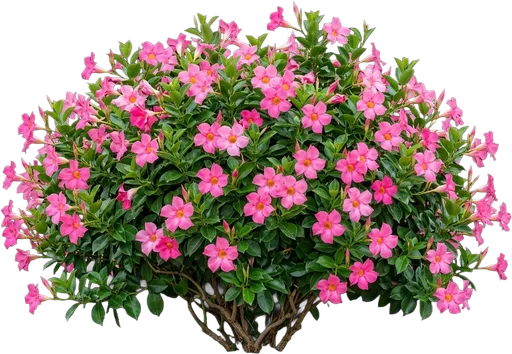
The first frost of fall rarely takes out a whole garden. It takes the tender things — the peppers, the mandevilla on the porch, the tomatoes you meant to pick — and it tends to arrive on a clear, still night when the forecast low was 35°F and nobody covered anything.
It’s also worth fighting for. Purdue Extension notes that the first frost or two is often followed by several weeks of good growing weather. Here’s how to read the warning, when to expect it, and what to do the evening before.
What the frost and freeze alerts mean
The exact numbers vary by local National Weather Service office, so check yours, but the pattern holds:
- Frost advisory: lows forecast in the mid-30s, about 33 to 36°F, usually on a clear night with light wind. The NWS office in Charleston, West Virginia, says that means at least minor damage to sensitive plants is possible.
- Freeze warning: lows at or below freezing. Charleston uses 29 to 32°F; the Tallahassee office issues one when it expects 32°F or lower for at least two hours.
- Hard freeze: colder still. That’s 28°F at Charleston and 25°F at Tallahassee, which notes that the definition varies from office to office. Since fall 2024 the NWS no longer issues separate hard freeze watches and warnings; they were folded into the freeze watch and warning.
One catch: these alerts belong to the growing season. Charleston stops issuing them once the growing season ends. Tallahassee drops frost advisories after the first widespread frost, and freeze warnings after the first widespread freeze unless a hard freeze is coming. After that, the forecast low is your only warning.
Why frost forms when it’s 35°F
Official temperatures are taken about 6.5 feet off the ground, per the Tallahassee office. On a clear, calm night, the ground and everything on it radiates heat to the sky and the coldest air settles at the surface. So leaves can reach freezing while the thermometer above them reads 34 or 35°F, which is why frost advisories cover the mid-30s. Clouds, a breeze of around 6 mph or more, or very dry air make frost less likely, per the Charleston office.
UF/IFAS calls this a radiational freeze, the easier kind to protect plants from. An advective freeze, when a cold air mass blows in on the wind, is harder.
Your first-frost date is a set of odds
NOAA’s National Centers for Environmental Information (NCEI) publishes first-freeze maps based on the 1991–2020 climate normals, plus station-by-station probability tables that many NWS offices and state climate offices repost. Read them as odds, not a date:
- The median (50%) date: half of years have had their first 32°F night by then.
- The early date: a first freeze before it happens only about one year in ten.
- The late date: by then, nine years in ten have had a freeze.
NC State Extension’s guide to the tables suggests the early, 10% date for conservative planning, and notes they cover several thresholds: 36°F for frost, 32°F for a freeze, 28°F for a hard freeze. NCEI adds that elevation, nearby water and development all shift the date; towns and shorelines tend to freeze later. Our advice: have your covers ready by the early date, not the median.
What’s tender and what isn’t
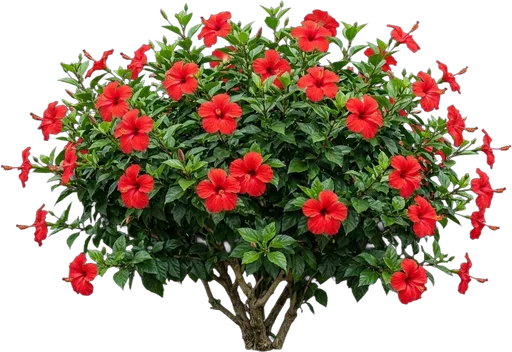
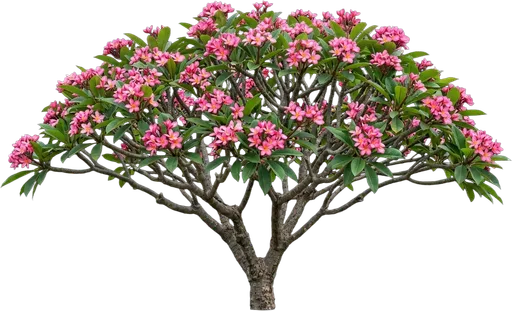
UF/IFAS puts it plainly: tropical plants and summer annuals can’t harden off to survive freezing, and many are injured below 50°F. That’s your list: bedding annuals, tropical shrubs and vines, and warm-season vegetables. Purdue’s chart puts tomatoes, peppers, beans, squash, cucumbers and eggplant in the “damaged by light frost” tier, while cabbage, kale, broccoli, Brussels sprouts, collards and spinach tolerate a hard frost.
If you can’t cover the tender crops, pick them. Purdue says most green tomatoes will ripen indoors without light; wrapped in newspaper at 55°F, they ripen gradually over several weeks.
Hardy trees, shrubs and perennials are a different case. UF/IFAS notes that properly conditioned temperate plants can take temperatures well below freezing.
The night before: cover, water, move
- Cover to the ground. UF/IFAS says a cover only traps the heat radiating from the soil if it reaches the ground, so drape it all the way down and weight the edges. Frost cloth, sheets, quilts and tarps all work. Keep it off the leaves where you can; foliage touching the cover can be injured. University of Arizona Extension recommends cloth or paper over plastic, and says not to gather it around the trunk.
- Uncover in the morning. Arizona’s advice is to take covers off each morning and put them back each night frost is expected. UF/IFAS says plastic, if you use it, must be removed or vented on sunny days.
- Water the day before. Moist soil absorbs more of the day’s sun and gives more heat back at night (UF/IFAS, NWS Charleston). Don’t flood it; prolonged soggy soil damages roots.
- Move the pots. NC State Extension says container plants are more sensitive to cold than plants in the ground. Bring tender pots into a garage or onto a porch. UF/IFAS says pots that have to stay out should be pushed together, then spaced out again once the cold passes.
- Leave the damage. Don’t prune frost-bitten growth right away. UF/IFAS says the dead leaves insulate what’s underneath, and it’s hard to tell what’s alive until new growth appears.
Covers do more against frost than against deep cold, UF/IFAS adds. For a hard freeze, the Charleston office says there’s little to be done for tender plants left outside. Get them in.

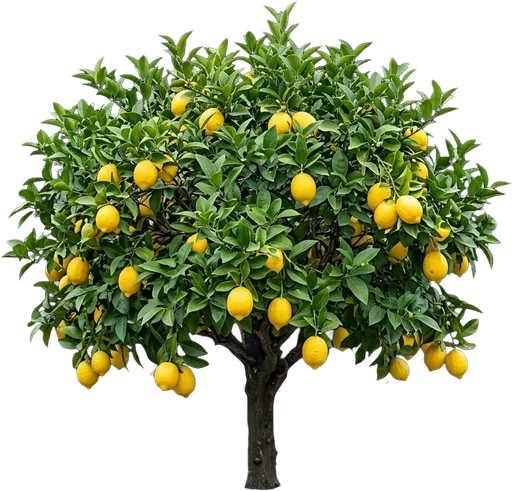
That’s the full design. NC State Extension advises bringing Meyer lemons indoors for winter below zone 8b or 9a.
Know your yard’s cold spots
Cold air is heavy. The RHS explains that on a frosty night it drains downhill and pools in low spots, called frost pockets, and that a fence or hedge across a slope can dam it; a gap lets it drain away. UF/IFAS says not to put tender plants in low areas where cold air settles.
The warm spots work the other way. South-facing walls release the day’s heat overnight (RHS). Pavement and rock store heat and give it back after dark (Arizona). A tree canopy holds in heat rising from the ground, so plants beneath it tend to suffer less in a radiational freeze (UF/IFAS). That’s why the same night can whiten the low corner of the lawn and miss the bed against the house.
Your first frost isn’t your zone
These are two different numbers. Your USDA hardiness zone is based on the average coldest night of winter — the average annual extreme minimum temperature, 1991–2020 — in 10°F bands. Your first frost is the first 32°F night of fall. One tells you what survives winter; the other tells you when the season ends for tender plants.
They do interact. UF/IFAS says a sudden drop in late fall or early winter usually does more damage than the same low in January or February, because plants acclimate to cold gradually. And the USDA says its zone map can’t account for unusual cold snaps, including early-fall ones.
That’s where our ”Will it survive your winters?” card fits, and where it doesn’t. It isn’t a frost-date tool. Enter a ZIP on any plant page and it compares each past winter’s coldest night at the nearest weather station with the plant’s estimated cold limit, derived from its zone rating, and shows how many winters landed in the trouble range. It matters most at the edge of your zone. A crape myrtle is rated to zone 6, but Missouri Botanical Garden says its top growth is hardy only to zone 7 and often dies to the ground in St. Louis winters. A common fig is listed to zone 6 by the Morton Arboretum, which warns it can die back to the ground in northern climates without winter protection. If you garden in zone 6, those are the pages to check before you buy.
Find your early frost date, keep the old sheets by the back door, and watch the forecast low on every clear, still evening. For next year’s choices, the plant library filters to plants rated for your zone.
Sources
- NOAA National Weather Service, Tallahassee — Frost and Freeze Information
- NOAA National Weather Service, Charleston WV — Frost/Freeze Information
- NOAA National Weather Service — Cold hazard simplification
- NOAA NCEI — When to Expect the First Fall Freeze
- NC State Extension — Interpreting Freeze/Frost Probabilities from the National Centers for Environmental Information
- Minnesota DNR State Climatology — Final Spring/First Fall Freeze & Frost Date Probabilities
- NOAA National Weather Service, Grand Forks — Frost/Freeze page
- UF/IFAS Extension — Cold Protection of Landscape Plants, EDIS ENH1
- University of Arizona Cooperative Extension — Frost Protection, Backyard Gardener #251
- NC State Extension, Pender County — Protecting Garden and Landscape Plants During Cold Weather
- Purdue Consumer Horticulture — Gardeners Should Prepare to Avoid Frost
- Royal Horticultural Society — Microclimates: assessing your garden
- USDA ARS — Plant Hardiness Zone Map: How to Use the Maps
- USDA ARS — Plant Hardiness Zone Map: Map Creation
- Missouri Botanical Garden Plant Finder — Lagerstroemia indica
- The Morton Arboretum — Common fig
- Missouri Botanical Garden Plant Finder — Hibiscus rosa-sinensis
- NC State Extension Plant Toolbox — Mandevilla
- NC State Extension Plant Toolbox — Citrus x limon ‘Meyer’
- Missouri Botanical Garden Plant Finder — Plumeria rubra