Guide · Fall bulbs
Spring bulbs to plant now, and the ones deer and squirrels won’t eat
The daffodils you want next spring go in the ground about now. When to plant by zone, how deep, warm-climate chilling, and which bulbs critters won’t eat.

YardRemake Studio
Published October 15, 2026 · 8 min read · 6 sections
On this page
The tulips and daffodils you want to see next spring go into the ground around now. Spring-flowering bulbs need a long cold spell before they’ll bloom — 12 to 16 weeks for most of them, according to Clemson Extension — and the simplest way to give them that is to plant in fall and let winter do the work.
That makes this a short window, and a forgiving one if you get four things right: timing, depth, drainage, and which bulbs you choose for a yard with wildlife in it.
The fall-planted lineup
The classic spring bulbs all go in now: daffodils, tulips, crocus, grape hyacinths, hyacinths and ornamental onions. The alliums run latest. Giant allium flowers in May and June, per the Missouri Botanical Garden, so it carries a bed from the end of the tulips into early summer.
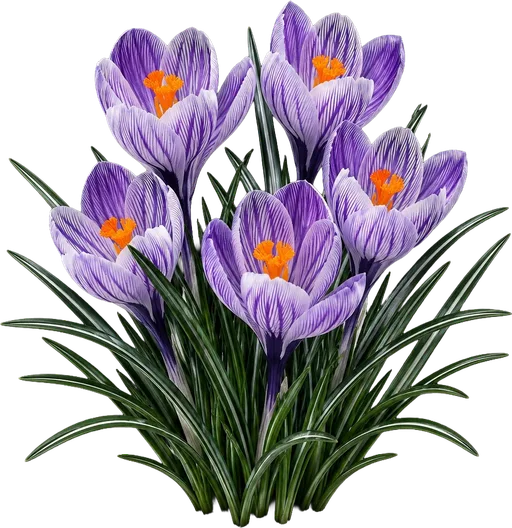


Don’t skip the small ones. Snowdrops, Siberian squill and glory-of-the-snow flower early and, according to UNH Extension, are usually left alone by wildlife. Because crocus, snowdrops and squill flower before deciduous trees leaf out, University of Illinois Extension suggests them for the ground under trees, where little else blooms.
One trap: not every ornamental onion is a spring bloomer. ‘Millenium’, a popular one, flowers in July and August according to the Missouri Botanical Garden, so it belongs in your summer plan, not this one.
When to plant: watch the soil, not the calendar
The trigger is soil temperature. Clemson and the NC Extension Gardener Handbook both say to wait until the soil at planting depth stays below 60°F. Daffodils are the exception — Clemson says they can go in during October or November.
That lands at different times depending on where you are:
- Zones 3–5: UMN Extension puts Minnesota planting between mid-September and mid-October, so roots form before the ground freezes. Tulips are the forgiving one and can go in as late as you can still dig.
- Zone 6: October, per the NC handbook. Illinois Extension’s rule of thumb is four to six weeks before the ground freezes, which there means mid-October to early November.
- Zones 7–8: November or early December (NC handbook).
- Coastal South: Clemson pushes most bulbs to late December or early January.
If you’ve already missed your date, plant anyway. Illinois Extension’s advice is that any time before the ground freezes beats storing bulbs over winter.
Depth, direction, and how many
Rules of thumb for depth vary a little. Two to three times the bulb’s height or diameter is the common one (UMN, Illinois, Penn State); Clemson says three to four times its width. In numbers: tulips and daffodils 6 to 8 inches deep, hyacinths 4 to 6, crocus 3 to 4. If the package gives a depth, use it. UMN suggests going an inch or two deeper in sandy soil and an inch or two shallower in heavy clay.
Set each bulb with the pointed end up and the flat root plate down. Water them in, then add 2 to 3 inches of mulch to even out winter temperature swings.
Drainage matters more than anything else here. Clemson, UMN, Illinois and Penn State all warn that bulbs rot in soil that stays wet. If water stands in a spot after rain, pick another one — or do what Clemson suggests and work 2 to 3 inches of compost or shredded pine bark into the bed 10 to 12 inches deep, or build a raised bed.
Then plant in groups, not lines. Illinois Extension recommends tulips and daffodils in clusters of at least five and crocus in groups of at least 25, and Penn State notes that a drift of one kind and one color makes more impact from a distance than a mixed handful. A single row of tulips along a walk looks like a dotted line. Our rule of thumb: dig one wide hole and set a dozen bulbs in it, rather than digging a dozen holes.
You can stack them, too. A Cornell Cooperative Extension guide to “lasagna” planting uses a single 8-inch hole: late bloomers such as daffodils or tulips at the bottom, mid-season tulips or hyacinths at 6 inches, and early bloomers such as crocus, grape hyacinth or squill at 4 inches, with soil between layers. One patch, three waves of flowers.
Which bulbs deer, squirrels and voles leave alone
This is the part that decides whether your work survives the winter.
Tulips are a favorite. Rutgers Cooperative Extension’s deer-resistance list puts them in its worst category, “frequently severely damaged.” UNH Extension names newly planted tulips as the bulbs most vulnerable to voles, chipmunks and deer, with crocus less so, and Clemson notes that animals often dig up and eat tulip and crocus bulbs over winter.
Daffodils are the opposite. Rutgers rates them “rarely damaged.” They contain lycorine, and NC State lists every part of the plant as poisonous, the bulb most of all — worth knowing if you have a dog or cat that digs. Squirrels may still dig them up, but they rarely eat them.
The rest fall in between. Rutgers puts ornamental onions, snowdrops and Siberian squill in the “rarely damaged” tier, and crocus, hyacinth and grape hyacinth one step down. UNH lists daffodils, snowdrops, glory-of-the-snow, Siberian squill, grape hyacinth and allium as usually safe without protection. For height, giant allium is in that safe group and reaches 3 to 5 feet.
If you want tulips anyway, cage them. UNH’s method is a cage of ½-inch galvanized hardware cloth, bulbs set inside root end down, the whole thing buried at planting depth. A lighter option from UMN is chicken wire laid flat over the bed, pinned with landscape staples and hidden under mulch. And skip the bone meal: UNH notes it can attract the rodents that dig bulbs up.
Our deer-resistant border starter set, built for zones 5–8, leans on exactly that. In a demo design from our gallery it puts daffodils in clumps along a brick path, with catmint and lamb’s ear around them — three plants Rutgers rates “rarely damaged.”
In the warm South, plan around the chill
Mild winters don’t give tulips and hyacinths enough cold. Without it, Clemson says, you get very short stems with the flowers sitting close to the ground.
The fix is to chill them yourself. UF/IFAS tells Florida gardeners to buy bulbs pre-chilled for two to four months, plant them in winter, and treat them as annuals. Texas A&M AgriLife’s December checklist says tulips and hyacinths can be planted any time that month once they’ve had 60 or more days in the refrigerator. If you chill your own, Clemson says to keep them in ventilated bags and away from fruit, which gives off ethylene gas that can stop bulbs from blooming.
For bulbs that come back year after year, Clemson’s answer is daffodils: jonquils, tazettas and poeticus types are reliable across South Carolina, and tazettas such as paperwhites need no chilling at all. Most tulips there give one season; species tulips are the exception. Dutch crocus doesn’t naturalize well in Clemson’s experience, though some smaller crocus species do. If you’re not sure which side of the line you’re on, start with our zone 8 page.
After the flowers: let the foliage ripen
A bulb’s leaves are how it stores energy for next year’s flowers, so the mistake to avoid comes right after bloom: cutting them down because they look scruffy.
Snap off spent tulip and daffodil flowers so they don’t set seed, but leave the foliage for at least six weeks after bloom or until it turns brown, per Clemson. UMN’s version is simpler: wait until the leaves have yellowed and withered on their own.
The way to live with that is to plant bulbs among perennials that grow up around them, which Clemson and Illinois Extension both recommend. Our shade tree ring set does exactly that for zones 6–7: daffodils under a deciduous tree, with hellebores, ferns and hostas filling in around them.
Buy a bag this weekend, plant it in one generous clump where you’ll see it from a window in March, and don’t touch the leaves until they’ve yellowed.
Sources
- Clemson Cooperative Extension HGIC — Spring-Flowering Bulbs
- University of Illinois Extension (Ken Johnson, 2021-09-30) — How to plant flower bulbs for a colorful spring display
- University of Illinois Extension (Kelly Allsup, 2015-08-26) — Debunking spring flowering bulb myths
- University of Minnesota Extension — Planting bulbs, tubers and rhizomes
- Penn State Extension (Peter Ekstam, updated 2025-08-25) — Plant Bulbs in the Fall for a Spring Celebration
- NC State Extension — Extension Gardener Handbook, ch. 10 Herbaceous Ornamentals
- NC State Extension Gardener Plant Toolbox — Narcissus
- Cornell Cooperative Extension of St. Lawrence County, Fruition blog (Carolyn Filippi, MGV, 2021-11-09) — There’s still time to plant hardy bulbs
- Rutgers NJAES Cooperative Extension — Landscape Plants Rated by Deer Resistance
- UNH Extension, Yard and Garden Infoline (2018-10-10) — How can I keep wildlife from eating my new bulbs?
- UF/IFAS Gardening Solutions — Tulips
- Texas A&M AgriLife, Aggie Horticulture (2020-11-30) — Gardening Checklist for Dec 2020
- Missouri Botanical Garden Plant Finder — Allium giganteum
- Missouri Botanical Garden Plant Finder — Allium ‘Millenium’
