Why fall is the best time to plant a tree — and when it isn’t
Warm soil, cool air, roots that keep growing after the leaves stop. Why autumn is prime planting season for trees and shrubs in most of the US, where it isn’t, and how to plant so it takes.

YardRemake Studio
Published October 9, 2026 · 9 min read · 7 sections
On this page
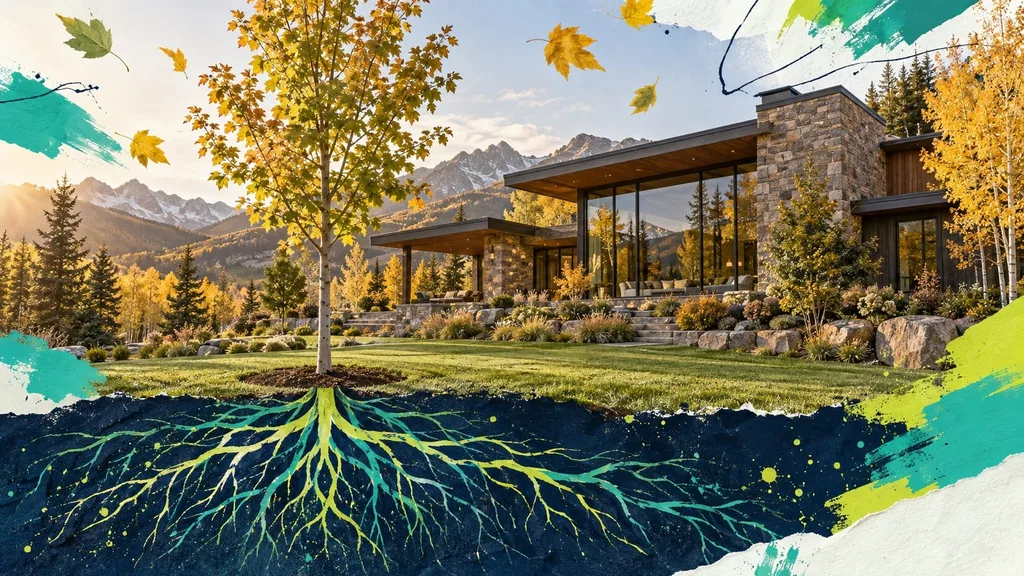
Most trees get bought in April, when the nursery is full and the weather makes you want to dig. In much of the country, that’s the second-best time. The best time is the next few weeks.
Here’s why fall works, where it doesn’t, and how to plant a tree or shrub this month so it’s still thriving next August.
Why fall planting works
In autumn the air cools faster than the soil, and that gap is the whole trick. Warm soil keeps roots growing while cool air slows everything above ground. The Morton Arboretum describes fall as a season of low water loss through the leaves and high potential for new roots. Nebraska Extension says tree roots keep growing into late fall, until the soil drops below 40°F.
A tree heading into dormancy isn’t asking a freshly disturbed root system to feed a flush of new leaves, so its energy goes into roots instead, University of Missouri Extension explains. By spring it has a head start on the root system it needs for its first summer. Plant the same tree in May and it has to grow roots and leaves at once, with heat on the way — and Morton notes that spring can swing from too wet to dig to hot and dry with little warning.
Cooler days and autumn rain also cut heat and water stress, Purdue adds. And it isn’t only trees: Morton says most deciduous shrubs do well in fall, too.
Where fall isn’t the answer
Fall is the rule in much of the US, not everywhere, and not for every plant.
- Evergreens need an earlier start. They keep their foliage, and keep losing water through it, all winter. Iowa State puts the best window for pines and spruces at mid-August through September and warns that evergreens planted in late October or November can dry out and die. Morton lists broadleaf evergreens such as rhododendrons as better planted in spring, and Purdue warns against fall-planting broadleaf evergreen trees.
- Some trees are slow to root. Morton lists magnolias, sweetgum, tulip tree, hemlock, ginkgo, bald cypress, American hornbeam and willow as better spring plantings. UW–Madison’s list overlaps and adds oaks and birches.
- Borderline-hardy plants. Missouri Extension says species that are only marginally hardy where you live belong in a spring planting — or, if it has to be fall, as early as possible.
- Colorado. Colorado State’s PlantTalk ranks fall second to spring there and says to finish by the end of October.
- The South runs later. Clemson notes that Southeastern roots keep growing through the mild fall and winter. Texas A&M AgriLife calls autumn the best season to plant trees in Central Texas, but says heat-loving plants like lantana, esperanza, plumbago and pride of Barbados should wait for spring. In Florida, UF/IFAS says the cooler months are best, though trees can go in year-round.
- How it was grown matters. Penn State says container plants can go in whenever the ground isn’t frozen, balled-and-burlapped trees move most safely when they aren’t actively growing, and bare-root plants belong in early spring or early fall while dormant.
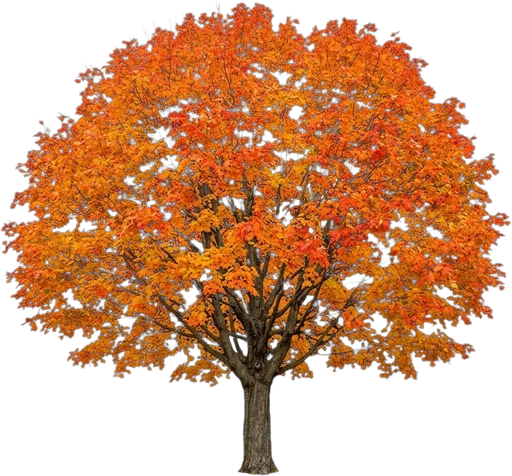
Sugar Maple
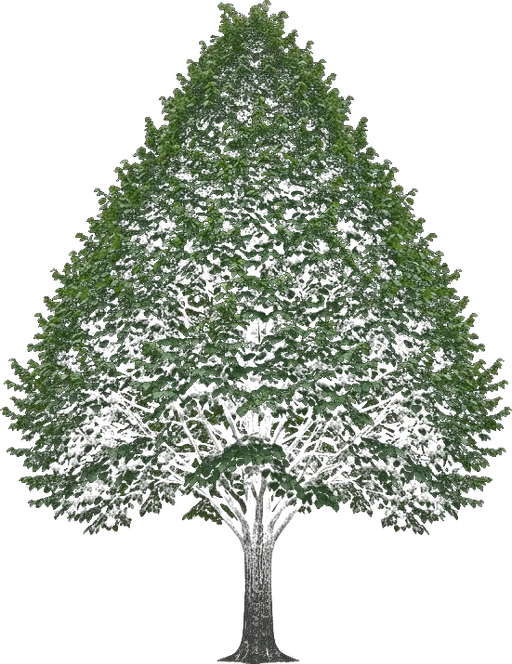
Littleleaf Linden
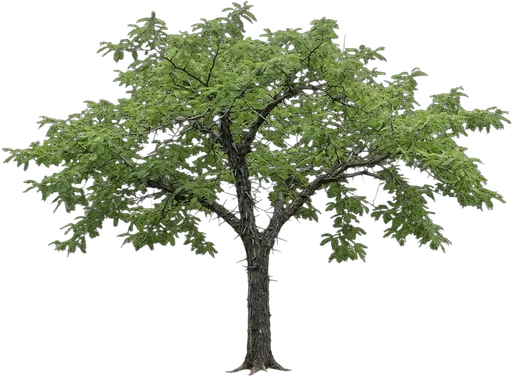
Honey Locust
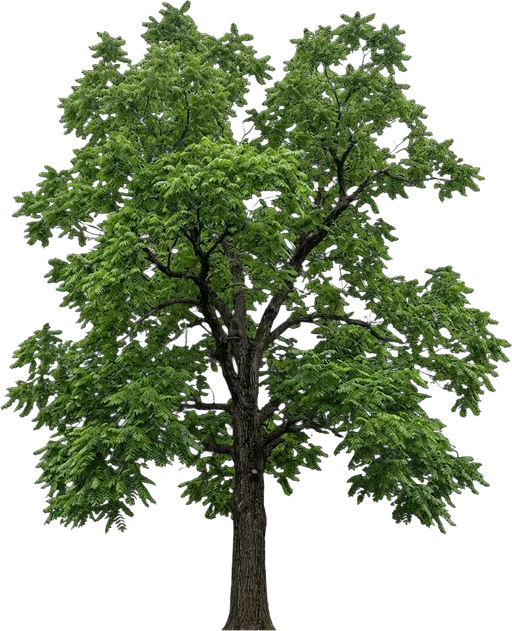
Kentucky Coffeetree
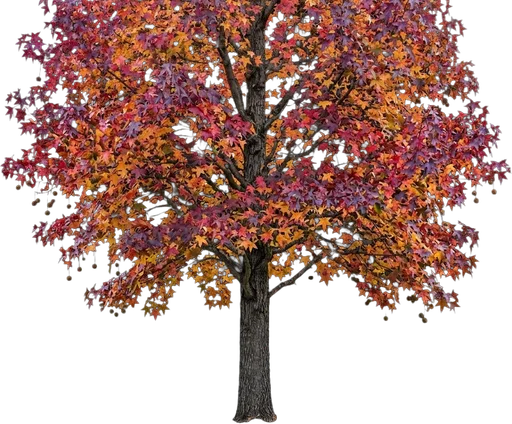
American Sweetgum
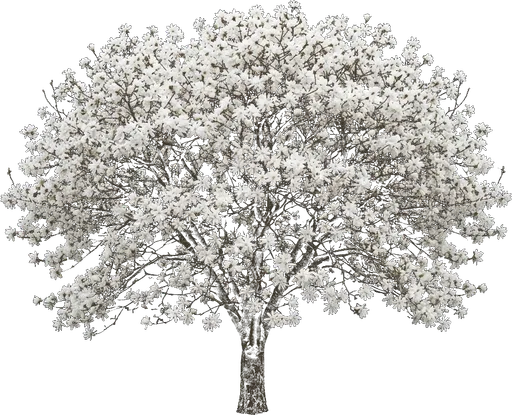
Star Magnolia

American Hornbeam
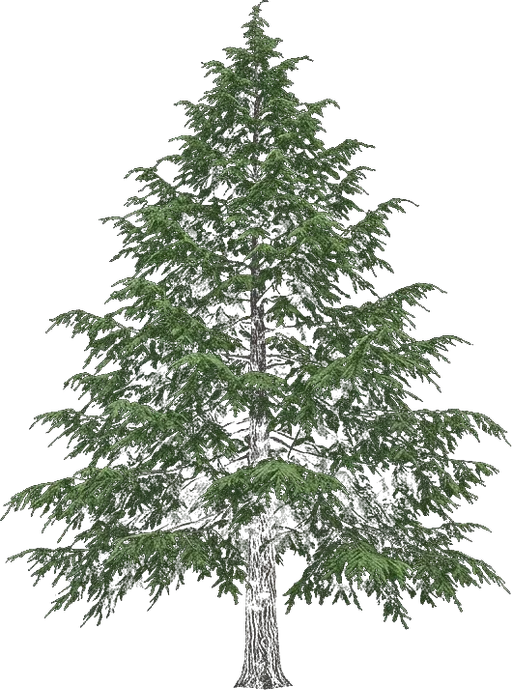
Eastern Hemlock
How late is too late
There’s no single deadline, and extension services draw the line in different places:
- Purdue: give a new tree at least six weeks in the ground before the first freeze.
- Morton Arboretum (Chicago area): mid-August to mid-October. Plantings in November and December risk poor root growth.
- Iowa State: deciduous trees and shrubs from August into early November; evergreens by the end of September.
- UW–Madison: September through early October, with pines and spruces earlier.
Our rule of thumb from those numbers: count back six weeks from your average first-frost date, plant evergreens first, and if you’re in the North and October is half gone, let the evergreen wait for spring.
How to plant it
- Find the root flare before you dig. It’s where the trunk widens into roots. Nebraska Extension says nursery trees are often planted too deep in their pots, with extra soil on top of the root ball. Scrape it off until you find the first major root. The International Society of Arboriculture (ISA) says the flare should be partly visible once the tree is planted. Illinois Extension’s test: the trunk shouldn’t rise out of the ground like a telephone pole.
- Dig wide and shallow. Two to three times the width of the root ball, and no deeper than it, per ISA. On poorly drained soil, Clemson sets the tree 2 to 4 inches high.
- Strip the wrapping and fix the roots. Remove burlap and other wraps, take off the wire basket or cut away its top rings, and straighten, cut or remove circling roots (ISA).
- Backfill with the soil you dug out. Advice on amending varies. Penn State caps amendments at 10 percent of the backfill; Clemson allows 10 to 20 percent compost and notes that amending only the hole can keep roots from leaving it. Water as you fill to settle air pockets.
- Stake only if you must. ISA says unstaked trees grow stronger trunks and roots. Bare-root trees and windy sites are the usual exceptions, and stakes come off after a year.
- Mulch wide, not high. Two to three inches, with a bare ring an inch or two wide around the trunk (ISA).
- Skip the fertilizer. ISA and Illinois Extension say not to fertilize at planting. UMass Extension says to wait for spring, since fall feeding pushes new growth that winter damages.
Water until the ground freezes
This is the step that gets dropped: the leaves fall, the hose goes away. UMass Extension says new plantings need at least an inch of water a week — roughly 10 gallons twice a week wets a 20- to 24-inch root ball — and to keep watering until the ground freezes, even after the leaves drop. Iowa State gives the same deadline. Newly planted evergreens may need up to two inches a week, according to UW–Madison Extension in Chippewa County.
Not every source agrees. ISA’s planting brochure says to water weekly until mid-fall and then taper off, and Purdue says you can stop after the first freeze. In Colorado’s dry winters, CSU recommends watering new transplants on mild days from December through March whenever three weeks pass without snow. Our take: go by the soil, not the calendar. If the root ball is dry and the ground isn’t frozen, water it.
The mistakes that undo it
- Burying the root flare. Nebraska Extension says too-deep planting and circling roots can kill a tree slowly, over many years.
- Leaving circling roots, burlap or wire in place.
- Mulch piled against the trunk.
- Fertilizing at planting.
- Putting the hose away when the leaves fall.
- Planting an evergreen or a slow-to-root tree at the tail end of the season.
Pick the tree for the spot first
None of this helps if the tree is wrong for where it’s going. Illinois Extension’s reminder: a tree that’s small at the nursery can grow to 80 feet, so look up for power lines and over at the house before you dig. Every plant page shows mature size — the honey locust in the grid above reaches 60 to 80 feet in both directions — and the plant library filters to “Only my zone” once you enter a ZIP.
For a tree you plan to keep for decades, also open the ”Will it survive your winters?” card on its page. It compares the coldest night of each past winter at the weather station nearest your ZIP with the plant’s estimated cold limit, and returns a verdict from Bulletproof to Gamble. Our reading: if it comes back Risky or Gamble, treat the tree as marginally hardy where you live, which is the kind Missouri Extension says belongs in a spring planting.
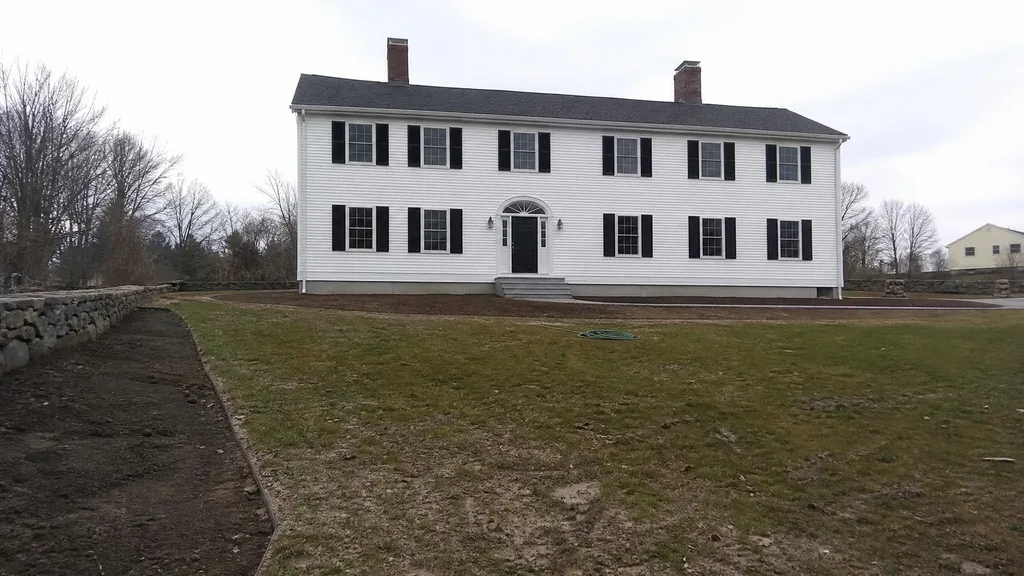
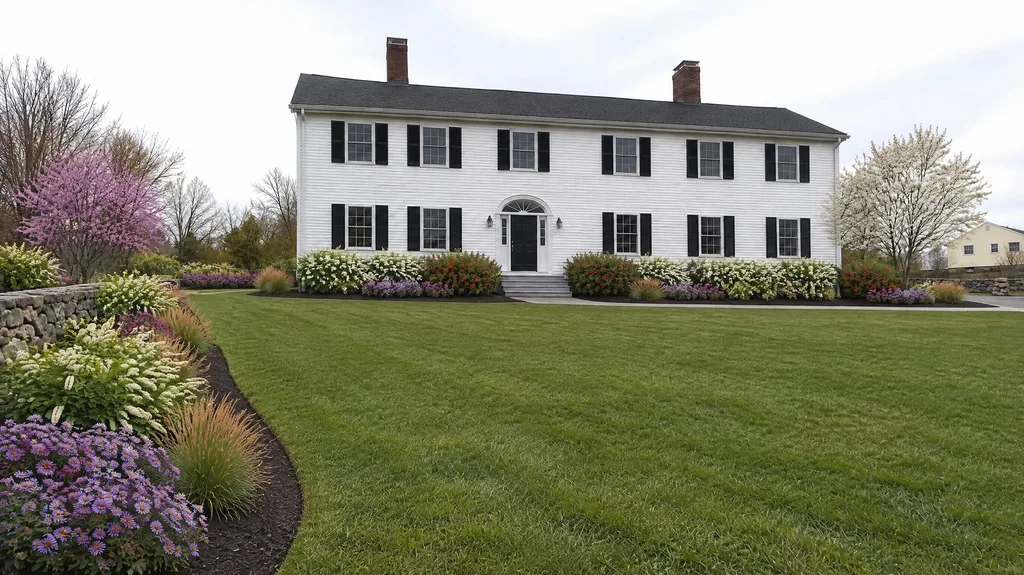
That’s the full design, planted from our Northeast native starter set.
Check the size, check the winters, find the flare, and keep the hose out until the ground goes hard. A tree planted well this month starts spring with its roots already at work.
Sources
- The Morton Arboretum — Fall planting trees and shrubs
- University of Missouri Extension — Fall planting: Give trees and shrubs a root awakening
- Illinois Extension — Fall is here; plant trees and shrubs
- Purdue Landscape Report — Can I Plant Trees in the Fall?
- UMass Extension (with Mass. Dept. of Agricultural Resources) — Fall Plantings: Successful Care, Growing Tips fact sheet
- UW–Madison Extension Chippewa County — Before the ground freezes, check both evergreens and deciduous plantings for water needs
- International Society of Arboriculture (TreesAreGood) — New Tree Planting brochure
- Clemson Cooperative Extension HGIC — Planting Trees Correctly
- Texas A&M AgriLife Today — Expert: Autumn the “absolute perfect season” for planting trees in Central Texas
- UF/IFAS Extension Hillsborough County — Florida Arbor Day 2024: Tips for Tree Planting
- UW–Madison Extension, Wisconsin Horticulture — Tree Species Recommended for Fall Planting
- Iowa State University Extension — Is late summer/early fall a good time to plant trees?
- Colorado State University Extension, PlantTalk Colorado — 1707 Fall Planting
- Nebraska Extension in Lancaster County — Fall Tree Planting: Grow Healthy Trees by Avoiding Common Problems at Planting
- Penn State Extension — Planting Ornamentals