In the landscape
Shade tree · Street tree · Butterfly · Childrens · Native · Night · Pollinator
Data sources
Common Hackberry
Celtis occidentalis · Tree
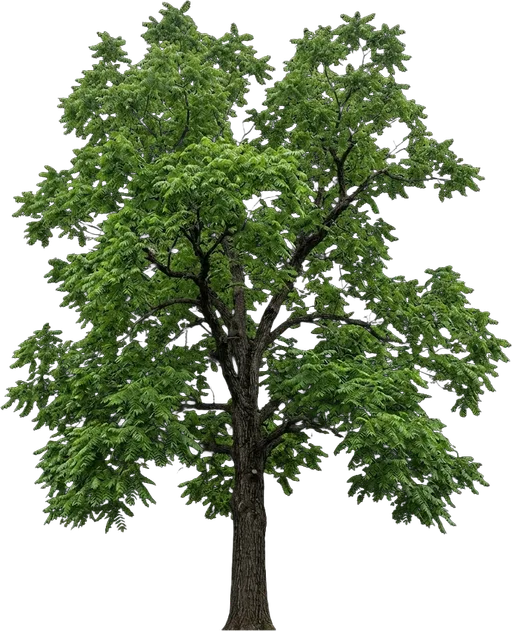
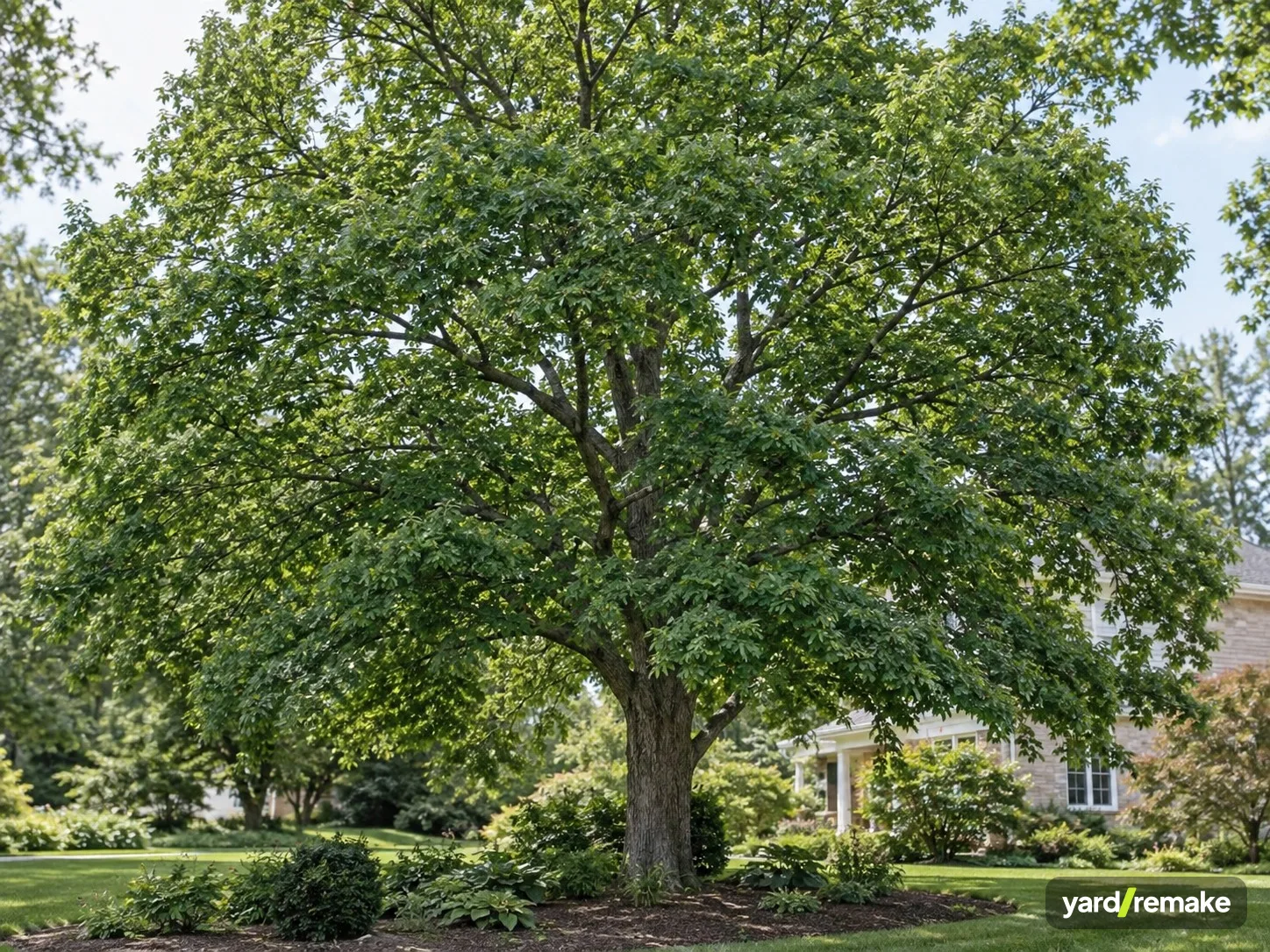
Common Hackberry is a fast-growing tree, hardy in USDA zones 2-9, that matures to about 40–60 ft × 40–60 ft. It does best in full sun and part shade with high water needs in well-drained, moist and occasionally-dry soil. Expect yellow, green and orange blooms in spring. It attracts butterflies, moths and pollinators, stands up well to pollution and poor soil and wet soil.
- USDA zones
- 2-9
- Sun
- Full sun, Part shade
- Water
- High
- Mature size
- 40–60 ft × 40–60 ft
- Growth rate
- Fast
- Maintenance
- Low
- Soil
- Well-drained, Moist, Occasionally-dry
- Bloom color
- Yellow, Green, Orange, Purple
- Bloom season
- Spring
- Attracts
- Butterflies, Moths, Pollinators, Small mammals, Songbirds
- Tough against
- Pollution, Poor soil, Wet soil, Wind
- Native to
- Central and northeastern North America
Will it survive your winters?
We score Common Hackberry’s freeze-trouble range against the real coldest nights your area has recorded.
Powered by ~35 years of daily lows from the nearest NOAA weather station. A risk read, not a guarantee — a sheltered spot or mature plant beats the odds.
More plants for your zone: Zone 3 · Zone 4 · Zone 5 · Zone 6 · Zone 7 · Zone 8 · Zone 9
See the Common Hackberry in your own yard
Upload a photo and our AI designs with real plants like this one — matched to your USDA zone.