
In the landscape
Specimen · Naturalized · Woodland · Butterfly · Childrens · Drought tolerant · Native · Pollinator
Data sources
Eastern Red Cedar
Juniperus virginiana · Conifer
Eastern Red Cedar is a moderate-growing conifer, hardy in USDA zones 2-9, that matures to about 30–65 ft × 8–25 ft. It does best in full sun with low water needs in well-drained, moist and occasionally-dry soil. It attracts butterflies, moths and pollinators, stands up well to deer and drought and poor soil.
- USDA zones
- 2-9
- Sun
- Full sun
- Water
- Low
- Mature size
- 30–65 ft × 8–25 ft
- Growth rate
- Medium
- Maintenance
- Low
- Soil
- Well-drained, Moist, Occasionally-dry, Occasionally-wet
- Attracts
- Butterflies, Moths, Pollinators, Small mammals, Songbirds
- Tough against
- Deer, Drought, Poor soil, Salt
- Toxic to
- People
- Native to
- Eastern North America
Will it survive your winters?
We score Eastern Red Cedar’s freeze-trouble range against the real coldest nights your area has recorded.
Powered by ~35 years of daily lows from the nearest NOAA weather station. A risk read, not a guarantee — a sheltered spot or mature plant beats the odds.
More plants for your zone: Zone 3 · Zone 4 · Zone 5 · Zone 6 · Zone 7 · Zone 8 · Zone 9
See the Eastern Red Cedar in your own yard
Upload a photo and our AI designs with real plants like this one — matched to your USDA zone.
More conifers

Blue Atlas Cedar
Cedrus atlantica
Zones 6–9Full sun

Japanese Cedar
Cryptomeria japonica
Zones 5–9Full sun

Green Giant Arborvitae
Thuja plicata
Zones 5–7Full sun
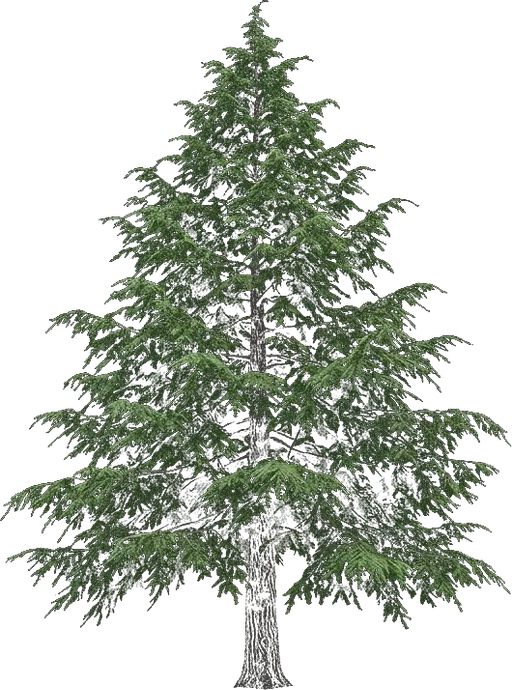
Eastern Hemlock
Tsuga canadensis
Zones 3–7Part shade

Hinoki Cypress
Chamaecyparis obtusa
Zones 4–8Full sun

Dwarf Alberta Spruce
Picea glauca
Zones 2–6Full sun